
What Does Sprinkler Head Repair Involve?
Sprinkler head repair means fixing or replacing the pop-up spray heads, rotors and nozzles that distribute water, along with the riser or swing joint that connects each head to the lateral line. A provider matches the replacement to the zone's head type and flow, sets it at the right height and adjusts the arc and radius so coverage stays even.
Heads are the most exposed part of any system. They sit at grade where mowers, cars, snowplows and foot traffic hit them. Broken heads are among the most frequent calls for sprinkler repair in Romeoville, IL, and they are also the easiest leaks to see.

Common Head Problems We Can Connect You With
Broken sprinkler head replacement
A snapped cap or body turns into a geyser when the zone runs and robs pressure from every other head on that zone. The head is replaced with a matching model, and the riser is checked for damage below it.
Leaking rotor and pop-up spray fixes
Water bubbling at the base usually means a cracked body or a worn wiper seal. It can also be a broken riser or swing joint just below grade, which is dug out and replaced.
Clogged nozzle flushing
Sand, debris and mineral deposits clog nozzles and filter screens, causing misting, dry arcs and brown spots. Nozzles are cleaned or replaced and the zone is flushed to clear the lateral.
Low-head drainage
Water that drains from the lowest heads after a zone stops wastes water and keeps one area soggy. Check-valve heads or under-head check devices hold water in the line.
Sunken or tilted heads
Heads that settle below the grass get blocked by turf and spray sideways. They're raised to grade and reset plumb so the pattern reaches its target.
Rotors that don't rotate
A stuck rotor waters one strip and leaves the rest dry. Debris, a worn gear drive or a wrong nozzle size are common causes, and replacement is usually faster than repair.
Why Matching Heads Matters
Spray heads, rotors and multi-stream rotary nozzles put down water at very different rates, called precipitation rates. Mixing them on one zone gives some areas far too much water and leaves others too little, since the controller runs the whole zone for the same time. A proper replacement keeps the same head type, nozzle pattern and pop-up height as the rest of the zone. It's also a good moment to fix heads that spray onto driveways, siding or the street, which waste water and don't count toward your lawn during Romeoville's limited watering hours.
How a Head Repair Is Done
- Run the zone to see which heads are broken, leaking, clogged or out of adjustment.
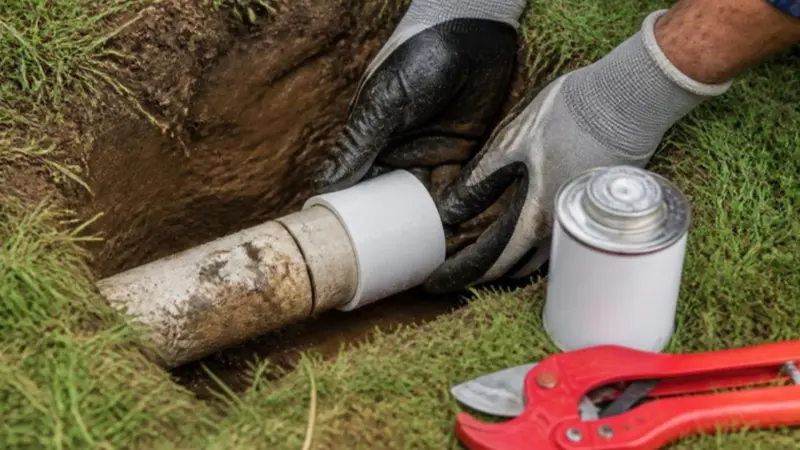
- Dig around the head without damaging the swing joint, and check the riser and fitting below.
- Flush the line before installing the new head so debris doesn't clog it immediately.
- Install and set the height so the head sits flush with the soil and plumb.
- Adjust arc and radius, then rerun the zone and check coverage and pressure.
When It's Not Just the Head
Broken heads are among the most common finds at spring start-up. Our spring start-up checklist walks through checking every zone.
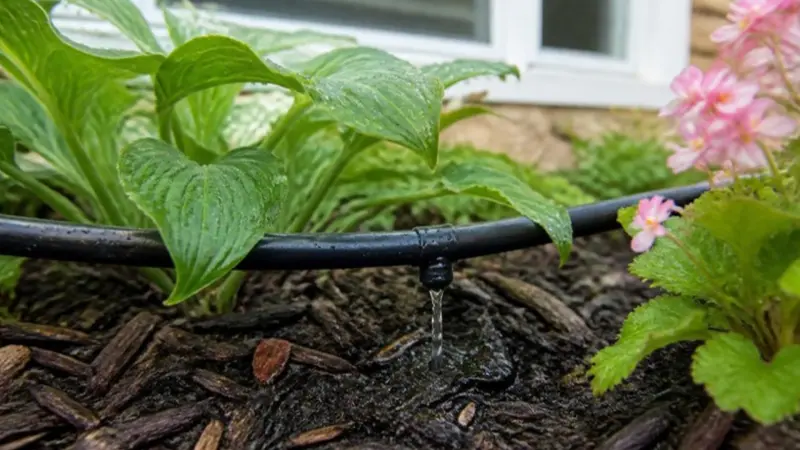
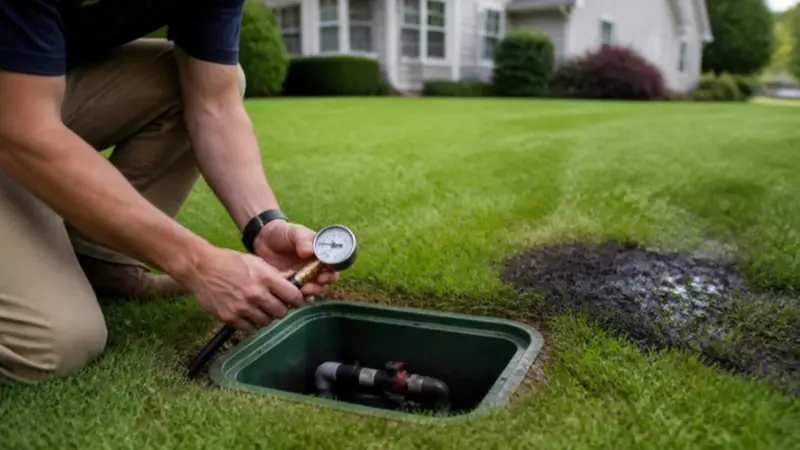
If several heads on one zone are weak at the same time, the head is rarely the problem. Look for a leak on the lateral (see underground irrigation pipe repair) or a valve that isn't opening fully (see sprinkler valve repair). Flower and shrub beds watered by spray heads are often better served by drip irrigation, which puts water at the roots with less overspray.
Head repairs are available throughout Romeoville, including the busy lawns and walks of Wesglen and Lakewood Falls. For every other repair and how our referral service works, see irrigation leak repair in Romeoville.